Quick Answer
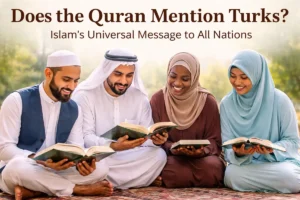
Islam views human diversity not as an accident, but as a purposeful “Sign” of Divine Wisdom. The Quran teaches that differences in race, language, and culture are intended for mutual recognition and enrichment rather than division. True nobility in Islam is determined solely by one’s character and piety, ensuring that every individual is valued beyond their physical or cultural background.
“O mankind, indeed We have created you from male and female and made you peoples and tribes that you may know one another. Indeed, the most noble of you in the sight of Allah is the most righteous of you…”
Surah Al-Hujurat – 13
“And of His signs is the creation of the heavens and the earth and the diversity of your languages and your colors. Indeed in that are signs for those of knowledge.”
Surah Ar-Rum – 22
Diversity as a Reflection of Divine Art
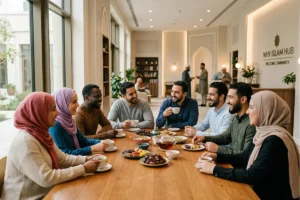
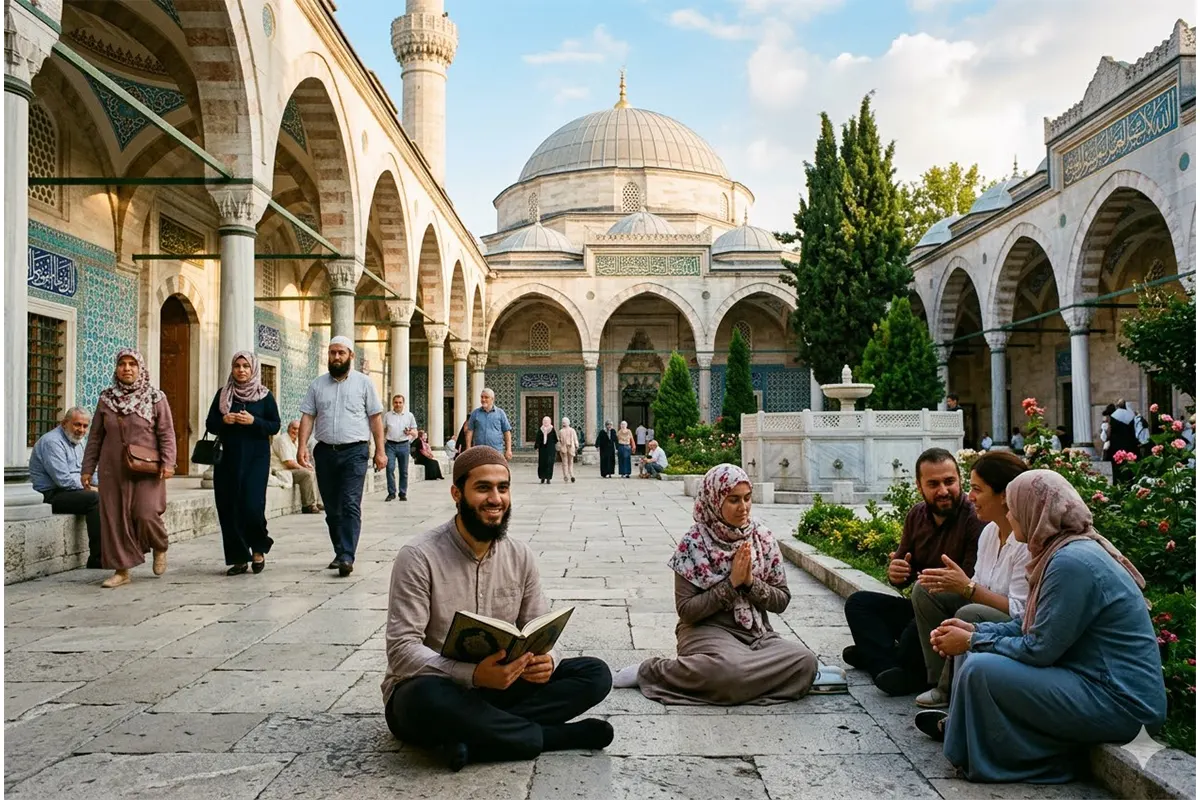
In the Islamic perspective, the vast array of human skin tones, dialects, and cultural heritage is a living gallery of the Creator’s power. Just as a forest is made beautiful by the variety of its trees and flowers, humanity is enriched by its differences. These variations are described as “Signs” (Ayat) for those who reflect, inviting us to see the beauty of the Divine in every face we encounter.
“And of His signs is the creation of the heavens and the earth and the diversity of your languages and your colors…”
Surah Ar-Rum – 22
The Purpose of Our Differences: “That You May Know One Another”
Islam teaches that diversity has a profound social purpose: it is a bridge meant to foster connection and curiosity. By being born into different nations and tribes, we are given the opportunity to step outside our comfort zones and learn from the unique wisdom and stories of others. This “knowing” (Ta’aruf) is a sacred invitation to build a global family rooted in mutual respect.
“…and made you peoples and tribes that you may know one another…”
Surah Al-Hujurat – 13
Character as the Only Measure of Superiority
In a world often divided by race or social status, Islam offers a revolutionary and gentle standard of value. It teaches that no person is inherently better than another based on their birthright or appearance. Instead, the only true measure of an individual’s worth is their “Taqwa”—the sincerity of their heart and the kindness of their actions. This shifts the focus from external labels to internal growth.
“…Indeed, the most noble of you in the sight of Allah is the most righteous of you. Indeed, Allah is Knowing and Acquainted.”
Surah Al-Hujurat – 13
Unity in Multiplicity: A Universal Message
The message of the Quran is not confined to a single culture or region; it is a mercy for all of humanity. By embracing diversity, Islam invites seekers to find a common ground where their unique identities are not erased but celebrated as part of a larger, harmonious whole. It is a path that welcomes every soul with the same warmth and dignity.
“And We have not sent you, [O Muhammad], except as a mercy to the worlds.”
Surah Al-Anbya – 107
A Final Thought for the Seeker
If you are searching for a sense of belonging that transcends borders and biases, the Islamic view of humanity offers a refreshing and gentle perspective. Here, your language, your color, and your heritage are seen as a blessing from the Divine—a unique part of the grand tapestry of life that we are all invited to cherish together.
Would you like to explore more about the message of the Quran? Visit our Why Islam guide for more insights.